Blog
Australia’s Home Appliances Market: Smart Homes, Energy Efficiency & Digital Retail Boom
Australia Home Appliances Market
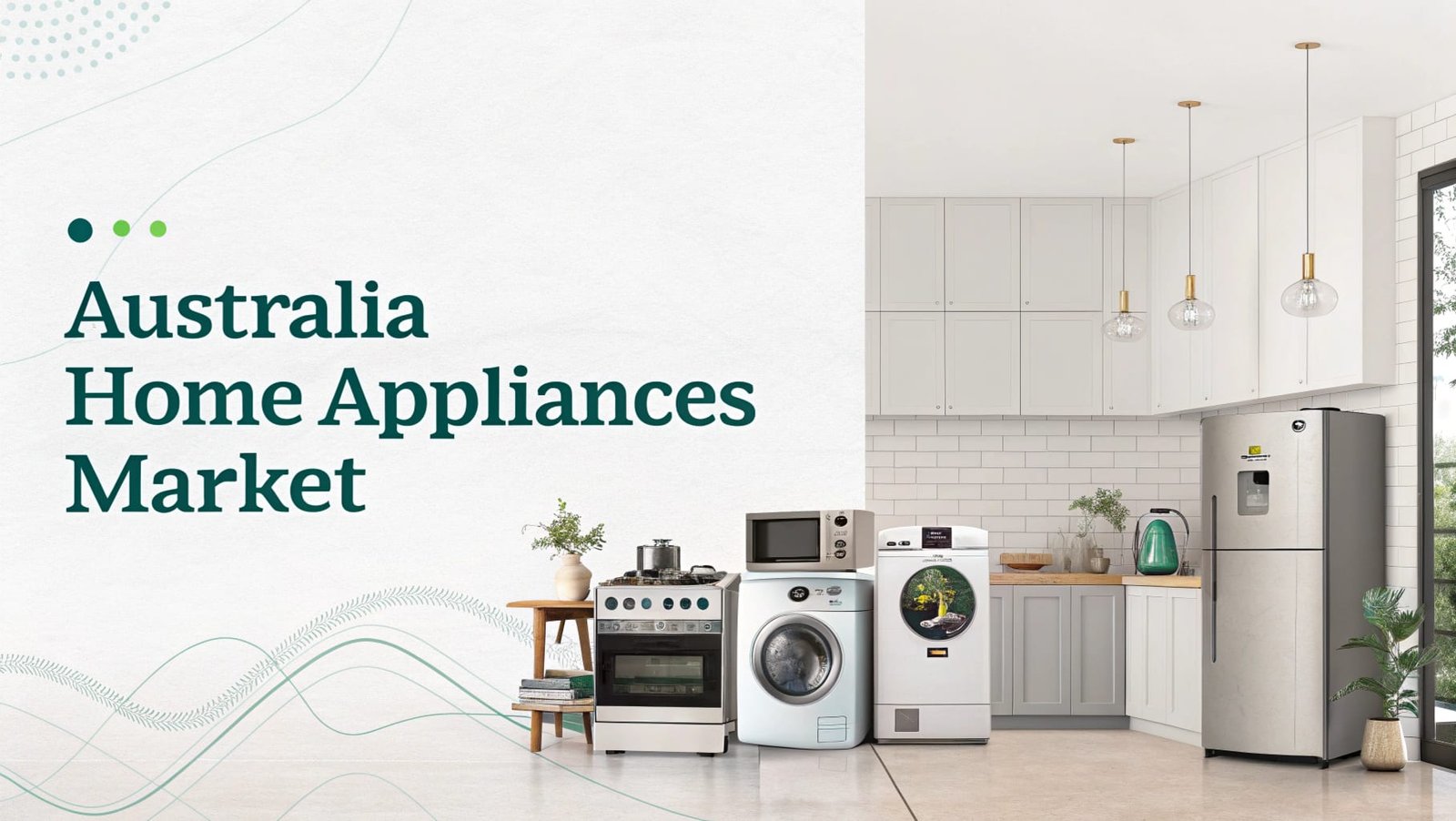
Australia’s home appliances market is entering a phase of steady growth, driven by rising disposable incomes, growing demand for energy-efficient and smart appliances, and a shift toward online retailing. According to a report the Australia home appliances market reached USD 15.06 billion in 2024. It is projected to reach USD 21.99 billion by 2033, growing at a healthy CAGR of 4.28% between 2025 and 2033.
What’s fueling this growth
• Smart home adoption & tech-integration: Consumers are increasingly choosing appliances with smart features, IoT connectivity, AI-driven automation and energy-efficient operation. Smart refrigerators, inverter air-conditioners, energy-efficient washing machines, robot vacuum cleaners, etc., are all rising in popularity.
• Energy efficiency & environmental concern: With rising electricity costs and growing environmental awareness, many Australians are replacing older, inefficient appliances with modern, energy-saving models. This trend is supported by government efficiency standards and consumer preference for long-term cost savings.
• E-commerce and convenience buying: Online retail is making it easier for buyers to compare models, check reviews, and get delivery — which expands access beyond big cities and helps smaller households or first-time buyers invest in home appliances.
• Urbanization and housing upgrades: As new houses and apartments are built — and existing ones refurbished — demand for modern appliances continues increasing, especially among younger urban populations seeking convenience and comfort.
Request a Sample Report with the Latest 2025 Data & Forecasts
What the Opportunities Are
The Australian home appliances market presents a variety of opportunities for manufacturers, retailers, investors and innovators:
• Smart-home integration & Smart appliances: Companies producing IoT-enabled appliances, AI-driven home devices, voice / app-controlled gadgets, and energy-saving appliances stand to grow quickly as smart living becomes the new norm.
• Energy-efficient & eco-friendly appliances: As electricity costs rise and environmental awareness grows, demand for energy-efficient appliances (inverter air conditioners, eco-friendly refrigerators, water-saving washing machines) offers strong potential — especially for brands emphasizing sustainability and long-term cost savings.
• E-commerce and omni-channel retail: Online retail continues to expand reach beyond major cities; retailers that combine strong online presence with reliable delivery and customer support can tap into underserved regional markets.
• Replacement market: Many Australian households are now replacing old appliances with modern, tech-enabled versions — representing a steady and recurring demand cycle for appliance makers and retailers.
• Smart-home ecosystem bundling: There’s an opportunity for companies to offer full smart-home bundles — combining appliances, home automation, energy management and IoT — suitable for new housing, renovations or home upgrades.
Recent News & Developments in Australia Home Appliances Market
• Jun 2025: A large appliance manufacturer launched a new line of energy-efficient inverter air conditioners and smart refrigerators, claiming up to 25% reduction in electricity consumption compared with older models — highlighting the push toward green, cost-saving appliances.
• Jul 2025: Industry reports show that online appliance sales surged by approximately 22% year-on-year, especially driven by younger consumers upgrading their homes and first-time home buyers leveraging e-commerce for convenience.
• Oct 2025: The expansion of the national smart-home ecosystem — including smart thermostats, security systems, IoT-enabled washing machines and smart lighting — is accelerating; over 6.5 million Australian households reportedly now use at least one “smart appliance” device, boosting market demand significantly.
• Nov 2025: New government proposals for tighter energy-efficiency standards and mandatory energy-rating labels for major home appliances have been floated. If implemented, these could accelerate replacement cycles among households with older, inefficient devices — benefiting appliance manufacturers and retailers.
Why Should You Know About Australia Home Appliances Market?
If you are following global consumer trends, investing in home-goods or tracking technology adoption, the Australia home appliances market is a strong indicator of how households are evolving. It shows that demand is shifting from mere utility to convenience, energy-efficiency, and smart-living — reflecting broader societal changes.
For investors and businesses: this market offers growth potential driven by recurring demand (replacement cycles), rising consumer spending, and structural tailwinds (urbanization, energy costs, sustainability awareness).
For brands and entrepreneurs: there’s a growing opportunity to innovate — smart appliances, eco-friendly models, direct-to-consumer sales, bundled smart-home solutions — and capture both urban and regional markets.