Blog
The Only Smart Home Sensor You Need
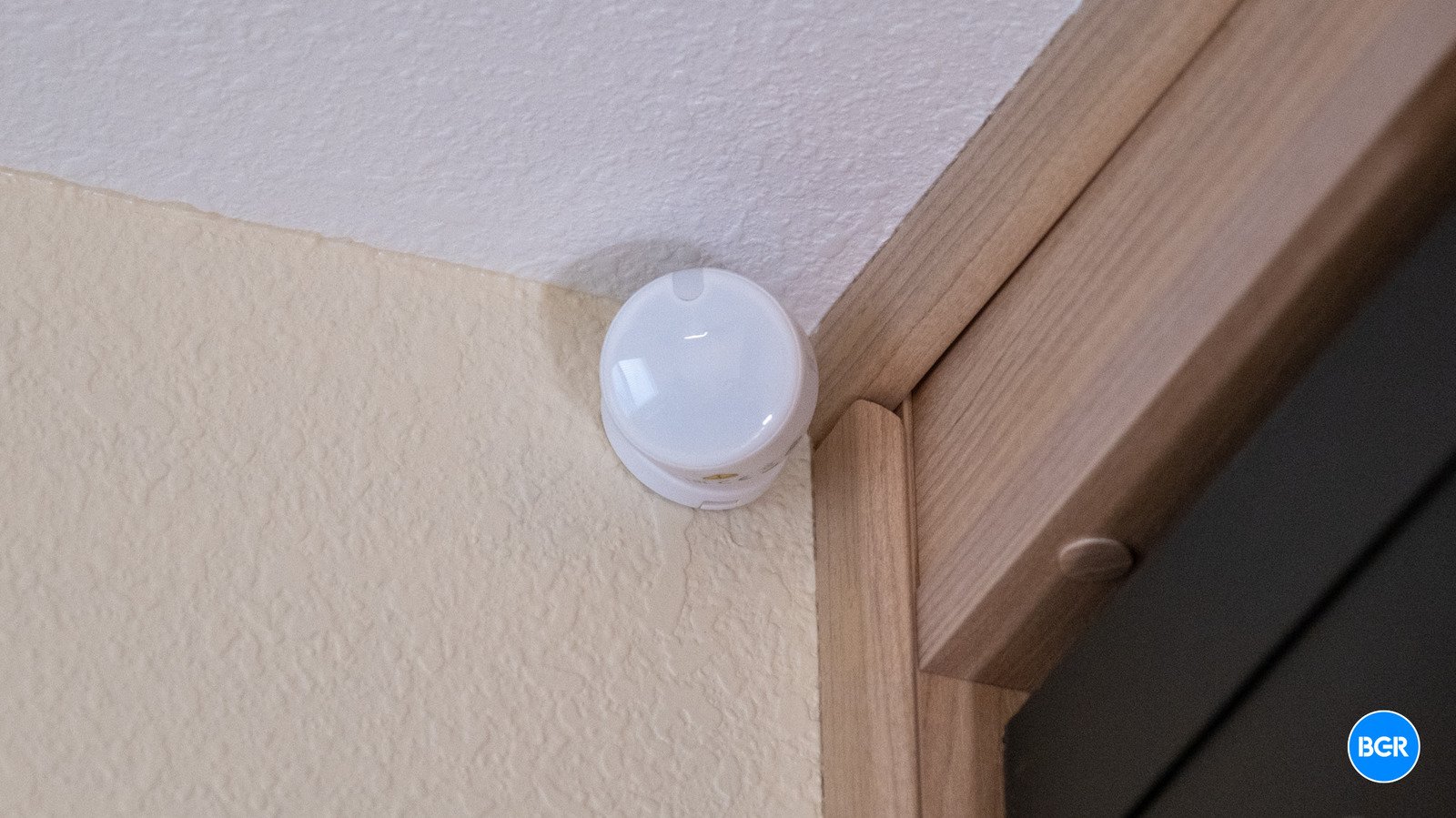
The FP300 uses a dual detection system that combines PIR and mmWave. This hybrid approach is designed to allow the device to detect even the smallest of movements in a room, unlike motion sensors, which are usually a bit heavy-handed. I tested the sensor in my home office, and with a motion sensor, I would need to wave my arms around like a mad man every so often to trigger detection. With the FP300, I could sit at my desk, making movements when I type and shift in my seat without worrying that my lights would turn off.
The FP300 has a 120-degree field of view and can detect up to 6 meters out, which covers most average-sized rooms — but not larger ones. The sensor kicks in immediately when you enter a space, and you can adjust the sensitivity depending on the room. That kind of flexibility makes it work in bedrooms just as well as it does in living rooms, but with a 6-meter range, you might find that you need multiple sensors in homes with an open floor plan, for example.
Beyond motion and presence, the FP300 also packs in light, temperature, and humidity sensors. That turns it into a central data hub for automations, if you’re willing to get a bit nerdy with them. You could create automations that combine conditions, like only turning the lights on when occupancy has been detected and the light is below a certain level — ensuring you’re not wasting energy on lights when there’s enough natural light in the room. Of course, you’ll need to use a service a bit more advanced than Apple Home to set these kinds of automations up.
The FP300 is designed to be smart enough to know the difference between a person and other moving figures. It uses AI-based filtering so it doesn’t trigger when there’s a pet or robotic vacuum in the room, and it seemed to work well with my cat. I have seen some reports note that with a large enough pet, it may still trigger, but I can’t say one way or another if that’s true.
The sensor isn’t smart enough to know how many people are in a room though. The FP2 is able to detect how many people are present, and if that feature is important to you, the FP300 won’t work for your needs. Most people probably don’t need that, though — they just need their smart home to know if a person is present at all.
The battery-powered design is great for rooms where wired installation would be a pain, and the battery lasts long enough to where you might not feel like you’re making a major trade-off. I don’t love the look of an ugly wire running all the way down a wall. Aqara claims the FP300 has a two-year battery life when connected using Matter over Thread, or three years using Zigbee. I didn’t test the sensor for two years, so I wasn’t able to verify the battery claims. It runs on two CR2450 batteries, so you can easily replace them.