Blog
How smart devices record you when powered off
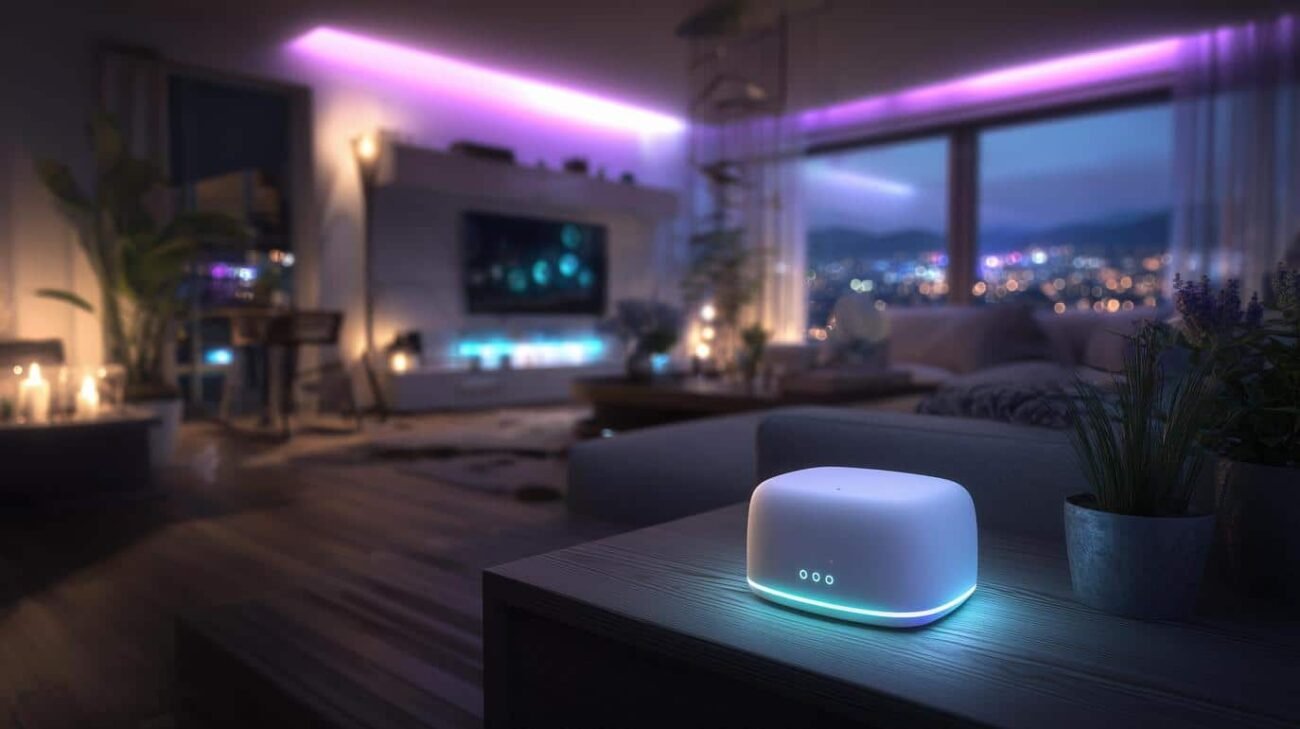
Your smart speaker sits quietly in the corner. The light is off, you’re not using it, so obviously it’s not listening or recording anything. Right? Except that’s exactly what these devices are designed to make you think. The reality of how smart home technology operates would shock most people who’ve filled their houses with internet-connected gadgets.
These devices need to constantly listen for their wake words. Alexa can’t respond to “Alexa” unless it’s always processing audio. That means microphones are active 24/7, analyzing every conversation, television show, and phone call that happens near them. Companies claim they only start recording after detecting wake words, but data tells a different story.
The accidental recordings that happen constantly
Studies analyzing smart speaker data requests found thousands of recordings that users never intentionally triggered. The devices misheard random words as wake commands and started recording conversations, arguments, intimate moments, and private information. These recordings get uploaded to company servers automatically without users knowing it happened.
Amazon employees manually review thousands of Alexa recordings every day. They listen to people’s conversations, transcribe what they hear, and use this data to improve voice recognition. The recordings include incredibly private moments because users had no idea their device was actively recording. People have found recordings of bathroom activities, bedroom conversations, and private medical information in their Amazon data archives.
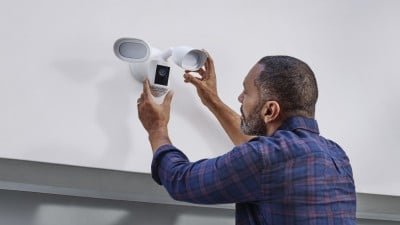
Smart home cameras present even bigger problems. They claim to only record when motion is detected or during specific hours you program. But the cameras need continuous power and internet connection to function properly. This means they’re technically capable of recording whenever they want, and security researchers have found numerous instances of cameras recording when they shouldn’t be.
What companies do with your data
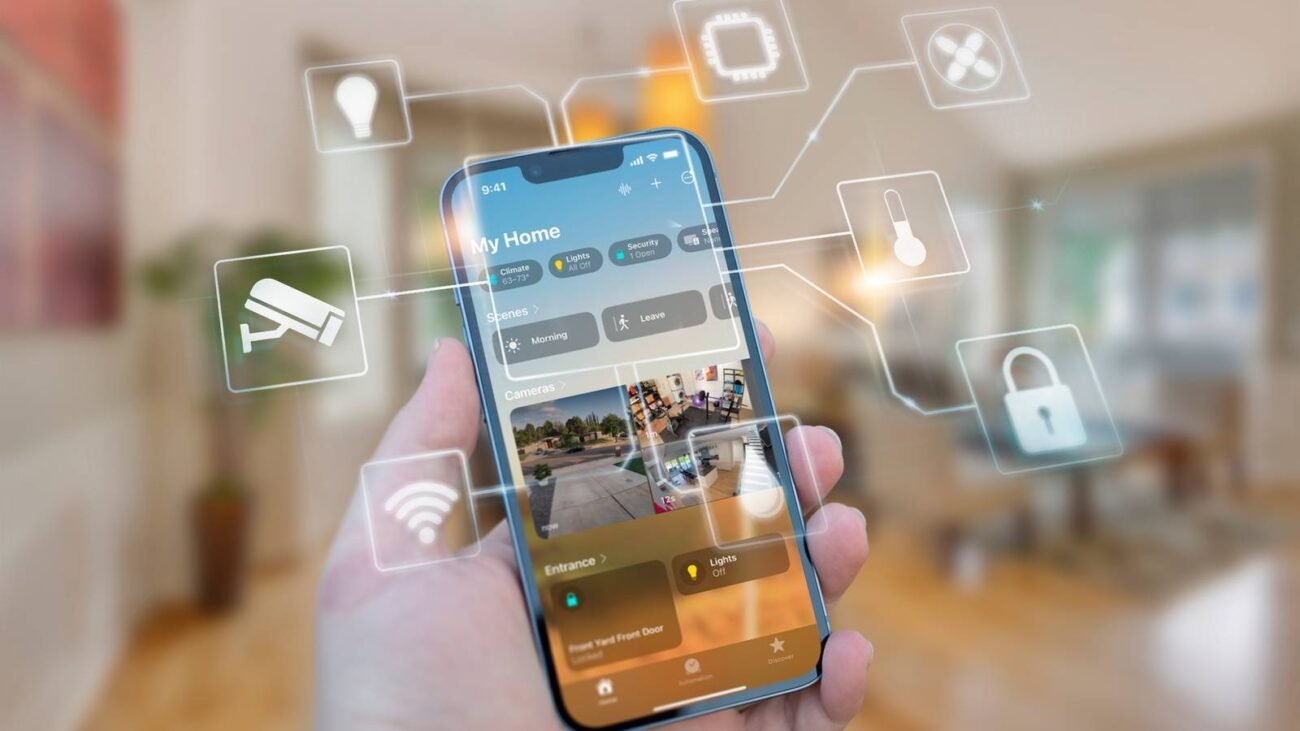
Every smart device constantly sends data back to manufacturer servers. They collect information about when you’re home, what rooms you use most, what time you go to bed, and what entertainment you consume. This creates incredibly detailed profiles of your daily habits and behaviors.
Third parties buy access to this aggregated data. Advertisers, insurance companies, and data brokers pay serious money for information about how people actually live their lives. Your smart home creates a goldmine of behavioral data that companies monetize without directly compensating you for the surveillance you unknowingly agreed to.
Voice recordings get analyzed by artificial intelligence to identify emotional states, health conditions, and relationship dynamics. The technology can detect stress in your voice, arguments between partners, and signs of depression. This health information could theoretically be sold to insurance companies or used to target vulnerable people with specific advertising.
The security vulnerabilities nobody fixes
Hackers regularly breach smart home devices because security is terrible. Manufacturers rush products to market without proper security testing because consumers prioritize features and price over protection. The result is millions of devices with known vulnerabilities that never get patched.
Once hackers access one device, they often gain entry to your entire home network. They can activate cameras and microphones remotely, watch your house, listen to conversations, and steal personal information stored on other devices. Law enforcement has found criminals using hacked smart home devices to monitor potential robbery targets and know when homes are empty.
Default passwords remain unchanged on most smart devices. People set up the device and never think about security settings. Hackers use lists of default passwords to break into thousands of devices in minutes. Your neighbors’ unsecured devices compromise your network when everything connects to the same WiFi.
What you can actually do
Physically unplug smart devices when not actively using them. The inconvenience of plugging things back in forces you to be intentional about when these devices have power and internet access. If it’s too much trouble to plug back in, you probably don’t need the device.
Cover camera lenses with physical blockers when not in use. Tape, sticky notes, or sliding covers prevent visual surveillance even if the device gets hacked or accidentally activates. Smart display screens need covers too since they have cameras embedded in them.
Review and delete your voice recording history regularly. Most smart home apps let you access and remove stored recordings. Companies keep this feature buried in settings because they don’t want you deleting valuable data they’ve collected.